
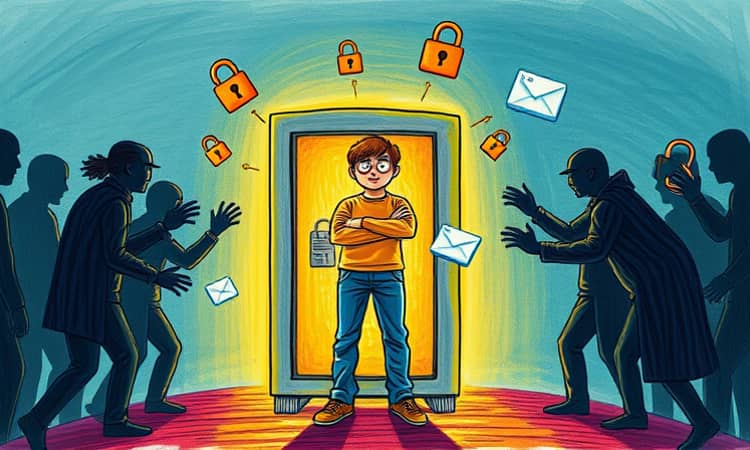
In a world where digital transactions have become the norm, the threat of financial scams looms larger than ever. Scammers leverage cutting-edge technology, persuasive tactics, and social engineering to exploit both individuals and organizations. Understanding the landscape of fraud is the first step toward staying one step ahead of these bad actors.
Overview of Rising Scam Trends
Reports from the Government and consumer protection agencies reveal a sharp rise in reported consumer losses, with over $12.5 billion stolen in 2024—an alarming 25% increase from the previous year. While the volume of scam reports held steady at 2.6 million, the percentage of victims suffering actual financial harm soared from 27% to 38%. These figures underscore how quickly fraudsters adapt and escalate their operations.
Organizations are not immune. In 2024, 79% of businesses experienced attempted or successful payments fraud attacks. The predominant method, cited by 63% of companies, was Business Email Compromise, where criminals impersonate trusted contacts to manipulate staff into wiring funds or revealing confidential data. The growing sophistication of these attacks highlights the need for proactive defenses.
Common Types of Financial Scams
Fraud comes in many forms, each exploiting human psychology and technological vulnerabilities. Awareness of how these scams operate can greatly reduce your risk of falling prey.
- Imposter Scams: Scammers pretend to be government officials, tech support agents, or loved ones in distress, insisting on urgent payments or personal data.
- Investment Scams: Fraudulent platforms promise high, rapid returns—often tied to cryptocurrencies or foreign exchange schemes—luring victims with false testimonials.
- Account Takeover: Using stolen credentials, criminals gain control of bank, mobile wallet, or peer-to-peer payment accounts to siphon funds or make unauthorized transactions.
- Payment Fraud: Both check and wire transfer scams remain prevalent, with checks targeted in 63% of corporate cases and wire transfers driving massive BEC losses.
- Synthetic Identity Fraud: Fraudsters assemble fake personas from stolen or fabricated data to open accounts, take out loans, or receive payments at scale.
To illustrate the financial impact, consider this table summarizing losses in key scam categories for 2024.
Red Flags and Emerging Threats
Scammers continuously refine their arsenal, using personalization and AI to trick even savvy individuals. Recognizing warning signs is crucial for avoidance.
- Unsolicited calls, emails, or texts demanding immediate action or payment from an unknown or spoofed source.
- Requests for confidential details—SSNs, bank account numbers, passwords—under the guise of security or verification.
- High-pressure tactics urging secrecy or bypassing routine procedures to prevent you from consulting others.
- Messages containing official logos or familiar sender names but riddled with spelling mistakes or odd phrasing.
Emerging threats include deepfakes and voice cloning scams that simulate real voices or videos, along with automated identity fabrication enabled by AI. Cryptocurrency platforms, prized for their speed and anonymity, have become favored channels for money mules and mule networks run by organized crime.
Effective Prevention Strategies
Building a robust defense requires a combination of technology, vigilance, and smart habits. The following measures can significantly reduce your vulnerability.
- Keep all devices and software up to date; install reputable security programs on computers and mobile devices.
- Use strong, unique passwords and authentication for every account, and enable multifactor authentication wherever possible.
- Regularly review bank, credit card, and payment app statements; set up alerts for suspicious transactions and unusual login attempts.
- Shred physical documents containing personal or financial data before disposal to prevent dumpster diving and identity theft.
- Verify any unexpected requests for money or data by contacting institutions directly via known, official channels—never use contact information provided in unsolicited messages.
- Monitor your credit report and scores for new account openings or inquiries you did not initiate—early detection can curb major fraud losses.
At the corporate level, companies should invest in AI-driven fraud detection, behavioral analytics, and robust information-sharing networks to identify patterns of compromise and block attacks in real time.
Recovery and Support
Despite best efforts, some victims may still suffer losses. Understanding recovery options and support networks can mitigate impact.
For individuals, report any scam attempts or actual losses immediately to organizations like the FTC, your bank, and credit bureaus. The sooner you alert authorities, the higher the chance of freezing assets or reversing unwanted transactions. In 2024, only 22% of businesses recovered 75% or more of funds lost, down from 41% the previous year, illustrating how vital it is to act promptly.
Nonprofits and consumer advocates offer free counseling and identity restoration services to scam victims. Leverage these resources to rebuild your credit, replace stolen documents, and learn from the experience.
Conclusion
Financial scams are evolving at an unprecedented pace, leveraging AI, automation, and sophisticated psychological tactics. Both individuals and businesses must remain vigilant, armed with up-to-date security practices and a skeptical mindset when faced with unsolicited requests or offers that seem too good to be true.
By staying informed about current trends, recognizing red flags, and implementing layered defenses—ranging from technical safeguards to critical thinking—you can protect yourself, your assets, and your peace of mind. Remember that caution and education are your most powerful allies in the fight against fraud.
References
- https://www.afponline.org/training-resources/resources/survey-research-economic-data/details/payments-fraud
- https://www.kroll.com/en/insights/publications/financial-crime-report-2025
- https://www.acfe.com/acfe-insights-blog/blog-detail?s=top-fraud-trends-2025
- https://www.ftc.gov/news-events/news/press-releases/2025/03/new-ftc-data-show-big-jump-reported-losses-fraud-125-billion-2024
- https://www.rocklandtrust.com/fraud-prevention/8-ways-to-protect-yourself-from-fraud
- https://www.elevationfinancial.com/how-to-recognize-and-avoid-scams
- https://www.jackhenry.com/fintalk/2025-fraud-trends-protecting-against-emerging-threats