
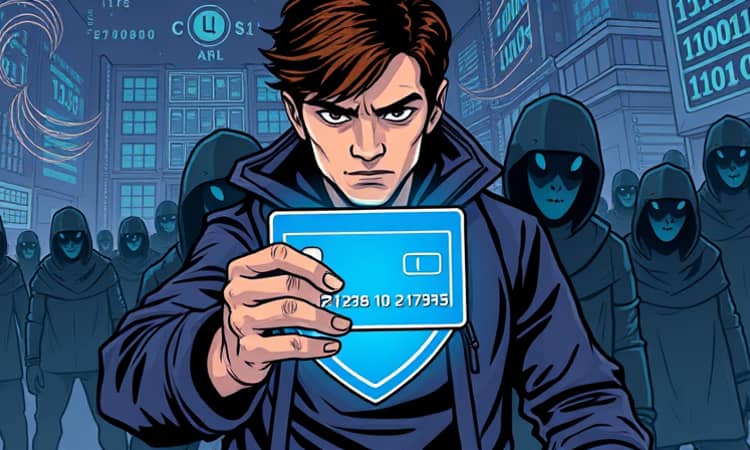
Credit card fraud has become a pervasive threat in our increasingly digital world. With new schemes emerging every day, unsophisticated defenses can leave individuals and businesses vulnerable. This article dives deep into the current landscape of credit card crime, examines the methods fraudsters use, and provides proven strategies to safeguard your finances.
From remote data breaches to in-person skimming, no one is entirely immune. By understanding the evolving tactics of cybercriminals and adopting strong security measures, you can drastically reduce your exposure to unauthorized charges and identity theft.
Understanding the Rising Threat of Credit Card Fraud
In 2025, credit card fraud attempts surged by a staggering 46% year-over-year. Ecommerce fraud in the United States alone climbed 140% over the past three years, driven by the explosive growth of online shopping and contactless payments. As digital transactions outpace cash usage, criminals have more opportunities to exploit vulnerabilities.
Financial institutions reported that 79% of organizations suffered payment fraud attacks in 2024, while 62 million Americans experienced unauthorized charges. In total, global credit card fraud is projected to reach $43 billion by 2026, up from $32.4 billion in 2021. These figures underscore the urgent need for robust defenses.
Common Types of Credit Card Fraud in 2025
- Counterfeit fraud generated through skimmed card data.
- Lost or stolen card abuse in physical transactions.
- Card-not-present schemes targeting online shoppers.
- Synthetic identity fraud assembling fake profiles.
- Remote bank account fraud via phishing attacks.
Each variant carries unique challenges. Counterfeit fraud persists despite EMV chip adoption because criminals adapt skimming techniques, while synthetic identity fraud has emerged as the fastest-growing financial crime of 2025. Card-not-present fraud accounts for the bulk of modern scams, exploiting weak verification on many ecommerce platforms.
Why Consumers Are Vulnerable
Consumer behavior also plays a pivotal role in vulnerability. Eight in ten cardholders admit to at least one risky habit, such as using public Wi-Fi for purchases or sharing card details on unsecured sites. With 63% of U.S. cardholders victimized by fraud at some point—and more than half experiencing multiple incidents—awareness alone is not enough.
Most fraud stems from remote access to personal data. Physically stolen cards account for just 8% of incidents, highlighting the sophistication of online attackers. Repeat charges from the same merchant rose to 21% of victims, signaling that fraud rings often persist until strong defenses intervene.
Practical Prevention Strategies for Individuals
- Shop only on secure websites with HTTPS encryption.
- Keep all devices updated with security patches.
- Avoid public Wi-Fi networks for financial transactions.
- Install reputable antivirus software and a VPN.
- Enroll in identity theft protection services.
By adopting these protocols, you establish multiple layers of defense against intrusion. Always look for the padlock icon in your browser’s address bar before entering card details. If you must use a public network, a secure VPN can prevent snooping on your data. Regular software updates close vulnerabilities that hackers exploit.
Consider advanced tools such as credit monitoring and dark-web scans. These services alert you when your personal information appears in suspicious places, allowing swift action before significant damage occurs. Strong, unique passwords for each financial account further reduce the risk of automated credential stuffing.
Securing Business Transactions and Merchant Safeguards
- Implement tokenization and end-to-end encryption.
- Adopt EMV-compliant payment terminals.
- Use AVS and CVV checks for card-not-present orders.
- Deploy machine-learning fraud detection tools.
- Provide regular employee training on fraud trends.
Merchants hold a critical role in the fight against fraud. Tokenization replaces sensitive card data with randomized tokens, rendering stolen records useless. Encryption scrambles payment details during transmission, thwarting interception attempts.
Address Verification System (AVS) and Card Verification Value (CVV) checks add identity confirmation in card-not-present scenarios. Combining these with artificial intelligence–powered monitoring can detect anomalous behavior, such as sudden spikes in purchase volume or mismatched geolocations.
Cutting-Edge Security Technologies
Innovations in card security continue to evolve. Next-generation EMV chips integrate dynamic cryptograms to validate each transaction uniquely, reducing counterfeit success rates. However, dual-message networks in the U.S. still report higher fraud than single-message systems, pointing to implementation gaps.
Tokenization, biometrics, and behavioral analytics form the backbone of future defenses. Facial recognition and fingerprint scanning add an extra layer at the point of sale. Meanwhile, machine-learning algorithms analyze transaction patterns in real time, flagging suspicious purchases before funds are disbursed.
What to Do If You Become a Victim
If you suspect fraud, act immediately. Contact your credit card issuer to freeze your account and dispute unauthorized charges. Many issuers offer zero-liability policies, so prompt reporting can limit your financial exposure.
Next, consider enrolling in fraud resolution services. These programs assign case managers who guide you through identity restoration, coordinate with creditors, and help you document losses for potential reimbursement. Insurance options may cover out-of-pocket expenses related to identity theft.
Finally, update your login credentials across all affected accounts. Monitor credit reports for new inquiries or unfamiliar accounts opening in your name. Maintaining vigilance after an incident prevents secondary attacks and demonstrates to creditors that you are proactive.
Building a Culture of Security
Whether you are an individual cardholder or a global merchant, proactive vigilance cultivates stronger defenses. Educating yourself and your team creates a united front against fraudsters. Regularly review security policies, invest in advanced technologies, and share real-world case studies to keep everyone informed of the latest threats.
By adopting layered protections—from secure payment processing to identity monitoring—you can stay ahead of criminals. While no system is entirely foolproof, continuous improvement deters would-be attackers and reduces overall risk to a manageable level.
In a world where credit card transactions dominate, protecting your financial health demands both diligence and the right tools. Embrace these strategies today to secure your cards, your data, and your peace of mind against the accelerating threat of fraud.
References
- https://merchantcostconsulting.com/lower-credit-card-processing-fees/credit-card-fraud-statistics/
- https://www.afponline.org/training-resources/resources/survey-research-economic-data/details/payments-fraud
- https://snappt.com/blog/fraud-trends/
- https://www.security.org/digital-safety/credit-card-fraud-report/
- https://www.kansascityfed.org/research/payments-system-research-briefings/did-card-present-fraud-rates-decline-in-the-united-states-after-the-migration-to-chip-cards/
- https://stripe.com/resources/more/credit-card-fraud-detection-and-prevention
- https://www.aura.com/learn/credit-card-scams
- https://rcbbank.bank/learn-synthetic-identity-fraud-the-fastest-growing-financial-crime-of-2025/