Deciding to take out a personal loan can feel like standing at a crossroads. On one path lies the opportunity to consolidate debts, fund dreams, or tackle urgent expenses; on the other, the concern about how this new obligation might ripple through your credit history. By understanding the mechanics behind credit scoring and adopting a mindful strategy, you can turn a personal loan into a powerful tool for financial growth rather than a source of stress.
Understanding the Short-Term Impact
When you apply for a personal loan, the first noticeable effect on your credit score comes almost immediately. A hard inquiry is recorded on your credit report, which can momentarily lower your score by a few points. While this dip—often between two and five points—can feel alarming, it is typically short-lived and recovers as you demonstrate responsible behavior.
Opening that loan also adds a new account to your profile and increases your overall debt. This can slightly shorten your average account age and raise your debt-to-credit ratio, both of which play a role in credit scoring formulas. However, these initial impacts are minor compared to the long-term gains that can be unlocked through disciplined repayment.
Harnessing Long-Term Benefits
Once you move past the initial inquiry and account setup, the stage is set for real improvement. The most influential factor in any credit score is payment history, accounting for roughly 35% of a FICO score. By making prompt payments every single month, you signal reliability to credit bureaus and lenders alike, steadily boosting your score over time.
Another advantage of introducing a personal loan into your credit profile is an improved credit mix. Most individuals rely heavily on revolving credit like credit cards; adding an installment account demonstrates your ability to manage different types of debt. This diversity makes up about 10% of your score calculation.
If you use a personal loan to pay down high-interest credit cards, you can also lower your utilization rate—the portion of available credit you’re using. Since utilization accounts for about 30% of your score, bringing balances below the critical 30% threshold can lead to meaningful score increases.
Navigating the Loan Lifecycle
From the moment you begin shopping for a loan to the day you make your final payment, each phase carries lessons and opportunities. Understanding these stages empowers you to make smart choices and avoid costly mistakes.
- Pre-qualification often involves a soft check that leaves your score untouched, letting you compare offers without penalty.
- The formal application triggers a hard inquiry, but multiple inquiries for the same purpose within a short window are typically grouped as one.
- During repayment, each on-time installment builds positive history; conversely, missed payments over 30 days can cause sharp declines.
- When you fully repay the loan, you close the account in good standing, leaving a lasting positive imprint on your report.
Balancing the Positives and Negatives
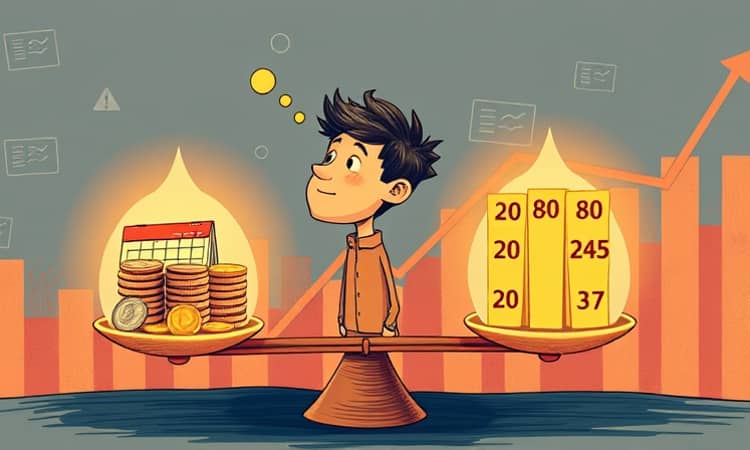
Every financial decision carries trade-offs. Personal loans are no exception. By weighing both sides, you can approach borrowing with clear eyes and a resilient plan.
Practical Strategies for Credit Health
No matter your starting point, there are concrete steps you can take to ensure a personal loan fuels your financial journey rather than derails it. Celebrate small wins along the way and stay vigilant to protect your credit standing.
- Always pay on time; even one late payment can cause a significant drop.
- Use loans to consolidate high-interest debts, reducing overall utilization.
- Shop for pre-qualification offers to minimize hard inquiries.
- Avoid opening multiple new accounts in quick succession.
- Regularly monitor your credit report for errors or unauthorized activity.
Charting Your Path Forward
Imagine your credit score as a garden. Each on-time payment is a seed that, over months and years, blossoms into blooming trust from lenders. Occasional setbacks—like a late payment—can feel like weeds, but with diligent care, you can pull them out and restore growth.
By approaching personal loans with intention and structured planning, you transform a temporary dip in your score into an opportunity for long-term strength. The temporary credit inquiries and added debt become stepping stones toward a robust credit profile that opens doors to lower interest rates, better loan terms, and financial peace of mind.
A personal loan is more than just cash in hand—it’s a chance to deepen your understanding of credit, refine your repayment discipline, and craft a more resilient financial future. With the right mindset, tools, and habits, you can navigate every stage of borrowing with confidence and emerge with a stronger credit score than you ever imagined possible.
Take the first step today: research your options, calculate your repayment roadmap, and commit to each on-time installment. Your credit score isn’t just a number—it’s a reflection of your financial story. Make it one worth telling.
References
- https://www.experian.com/blogs/ask-experian/how-does-a-personal-loan-impact-your-credit/
- https://www.investopedia.com/ask/answers/111615/are-personal-loans-bad-your-credit-score.asp
- https://www.nerdwallet.com/article/loans/personal-loans/personal-loan-affect-credit-score
- https://www.capitalone.com/learn-grow/money-management/how-personal-loan-affects-credit-score/
- https://www.jeniusbank.com/blog/articles/do-personal-loans-affect-your-credit-score
- https://www.finra.org/investors/personal-finance/how-your-credit-score-impacts-your-financial-future
- https://www.nerdwallet.com/article/finance/what-makes-up-credit-score
- https://www.lendingtree.com/credit-repair/ways-personal-loans-can-influence-your-credit-score/