Personal loan scams thrive on desperation and uncertainty, weaving intricate traps designed to steal money or sensitive data. By understanding common tactics and warning signs, you can safeguard your finances and identity against fraudsters.
How These Scams Work
Scammers masquerade as legitimate lenders or financial advisors, using persuasive language and fake credentials to lure victims. They may claim to offer instant approval or special discounts, exploiting urgency and fear.
Through unsolicited calls, emails, texts or social media messages, these fraudsters direct you to convincing but fraudulent application portals. Once you submit personal information or pay an upfront fee, the promised loan never materializes.
Red Flags and Warning Signs
Being alert to common red flags is the first line of defense. Legitimate lenders conduct thorough credit reviews and never demand payment before disbursing funds.
Common Types of Personal Loan Scams
- Advance-fee loan scheme: Requires payment of a processing or insurance fee, then disappears without lending.
- No-credit-check loan tricks: Promises loans to any applicant, bypassing standard vetting.
- Guaranteed approval frauds: Offers approval before reviewing your finances.
- Debt consolidation cons: Claims to reduce or forgive debts, then vanishes post-fee.
- Phishing-based loan hoaxes: Sends malicious links to fake application pages.
- Synthetic identity scams: Uses fabricated or mixed personal data to open accounts.
Who Is Targeted and Why
Scammers often prey on those with urgent financial needs, low credit scores or limited financial literacy. Individuals facing medical bills, unemployment or sudden emergencies may feel pressured to accept any easy offer.
High-risk groups include recent graduates with student loans, small business owners seeking quick capital, and people with past delinquencies. The more vulnerable the borrower appears, the more aggressive the scammer’s tactics become.
Top Ways to Avoid Scams
- Research the lender’s credentials: Verify state registration, physical address and licensing.
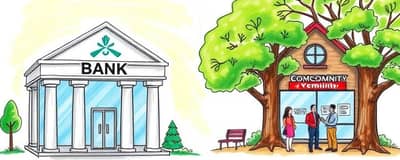
- Initiate contact yourself: Use reputable platforms or direct bank referrals rather than responding to cold calls.
- Check website security: Look for HTTPS, professional design and clear disclosures.
- Never pay fees upfront and walk away from any demand for payment before disbursement.
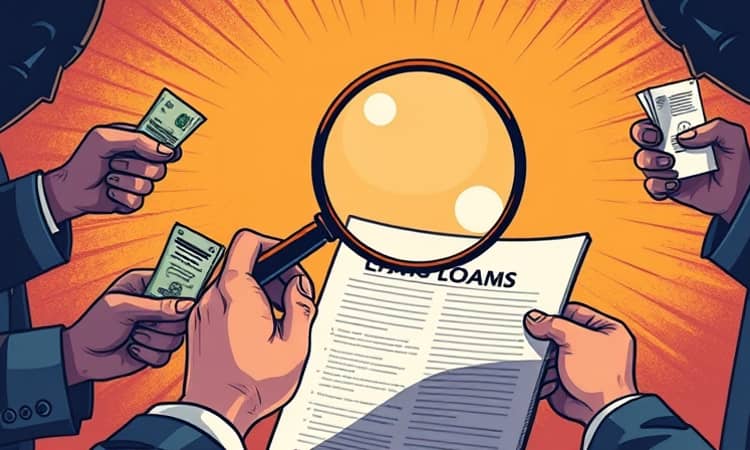
- Review loan terms thoroughly: Ensure all rates and charges are clearly explained.
- Monitor your credit regularly for unauthorized accounts or sudden inquiries.
- Be wary of sudden high-pressure sales tactics that rush you into decisions.
If You’ve Been Scammed
- Contact your bank immediately: Freeze accounts or cards to prevent further loss.
- Place a fraud alert or credit freeze with major credit bureaus.
- Report the incident to the Federal Trade Commission and Consumer Financial Protection Bureau.
- Document all communications and preserve receipts for fees paid.
- Consider identity theft protection services for added security.
Statistics & Trends
Loan-related fraud continues to escalate, with U.S. lenders exposed to $3.2 billion in synthetic identity losses during 2024—an 18% increase from the prior year. Nearly half of small business loan applicants in 2023 submitted fraudulent information, underscoring the broad scale of deception.
Advance-fee schemes and phishing scams remain pervasive, particularly targeting online borrowing platforms. In 2023, personal and business loan fraud ranked as the fifth most common identity theft category in the U.S.
Conclusion
Personal loan scams can devastate finances and erode trust. By knowing how these schemes operate and recognizing the clear warning signs, you empower yourself to make informed decisions.
Always validate lender credentials, avoid unsolicited offers, and never rush into agreements. In the event of fraud, act swiftly to report incidents and protect your credit. With vigilance and the right protections, you can navigate the lending landscape safely and confidently.
References
- https://www.bankrate.com/loans/personal-loans/personal-loan-scam-signs/
- https://www.rocketloans.com/learn/personal-loan-basics/personal-loan-scams
- https://www.getfocal.ai/knowledgebase/loan-fraud
- https://www.dfs.ny.gov/consumers/banking_money/avoiding_predatory_loans_and_loan_scams
- https://www.lendingtree.com/personal/personal-loan-scam/
- https://bankingjournal.aba.com/2024/11/report-finds-lenders-increasingly-targeted-by-fake-identity-scams/
- https://www.myccnb.com/resources/9-ways-to-spot-personal-loan-scams/
- https://lifelock.norton.com/learn/fraud/loan-fraud