
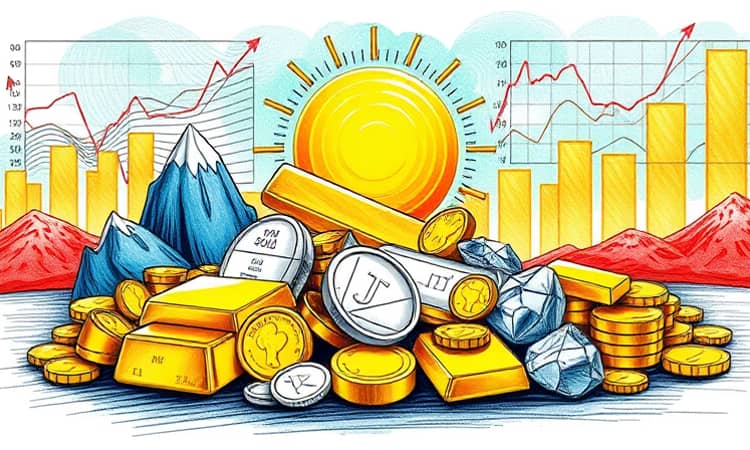
Investing in precious metals has long been a cornerstone strategy for safeguarding wealth, especially during times of uncertainty. This comprehensive guide will walk you through the types, methods, advantages, disadvantages, and practical strategies to incorporate gold, silver, platinum, and palladium into your portfolio.
Types of Precious Metals
Before diving into investment methods and strategies, it’s crucial to understand the main metals available:
- Gold
- Silver
- Platinum
- Palladium
Each metal boasts unique properties—rarity, industrial demand, and cultural significance—that have made them store of value over centuries. Whether you seek stability or growth potential, selecting the right metal mix sets the foundation for a resilient portfolio.
Investment Methods
There are multiple avenues to gain exposure to precious metals, each with its own set of considerations:
Physical Precious Metals: Purchasing bullion in the form of coins, rounds, and bars grants you tangible ownership. You ensure complete ownership and control of your assets, free from third-party custodians. However, secure storage—whether in a home safe or a professional vault—becomes essential, and associated costs can erode net returns.
ETFs and Mutual Funds: Exchange-traded funds and mutual funds allow investors to track metal prices without handling the physical commodities. These vehicles offer high liquidity, low transaction friction, and no storage requirements, although they lack the privacy benefits of owning bullion directly.
Mining Company Stocks: Investing in mining corporations links your returns to both metal prices and company performance. While operational risks and management decisions introduce volatility beyond metal price movements, select stocks can pay dividends and potentially outperform in rising-price environments.
Futures Contracts: Commodity futures provide leveraged exposure to metal price movements without requiring possession of the physical asset. Ideal for sophisticated traders, these contracts carry margin requirements and potential delivery obligations, making them less accessible for many retail investors.
Comparing Investment Methods
Weighing the Advantages
Investors often turn to precious metals for their unique benefits, which include:
- Portfolio Diversification: Precious metals tend to have a low correlation with stocks and bonds, helping you diversify your portfolio for resilience when traditional markets falter.
- Inflation Hedge: Metals historically preserve purchasing power. For instance, 14 ounces of gold bought a car in 1935 and still would today, showing how investors can maintain purchasing power over time.
- Safe-Haven Assets: During economic turmoil, metals often outperform. In 2022, while stocks and bonds posted double-digit losses, gold rose 0.4%, silver climbed 6.3%, and platinum surged 12.2%, demonstrating how they provide stability during market volatility.
- Tangible Ownership: Holding bullion gives you physical control and privacy, a contrast to digital records and bank dependencies.
Understanding the Drawbacks
No investment is without trade-offs. Precious metals come with challenges such as:
- Storage and Security: Safeguarding bullion incurs costs, and storing at home carries theft risk.
- No Income Yield: Metals don’t pay dividends or interest. Gains rely entirely on price appreciation.
- Price Volatility: While generally less erratic than equities, metals can still swing sharply on macroeconomic news.
- Liquidity Constraints: Selling physical metals quickly or in bulk may prove difficult or involve steep dealer spreads.
- Premiums Over Spot: Purchasing bullion often requires paying above market prices, reducing immediate upside.
Implementing Smart Strategies
To harness the benefits while mitigating the downsides, consider these best practices:
1. Allocate 5–10% of your portfolio to metals for short-term inflation hedging, adjusting toward 15–20% for long-term preservation. Your risk tolerance and time horizon should guide your exact mix.
2. Diversify within metals: gold for stability, silver for growth potential, and small positions in platinum or palladium for industrial demand exposure.
3. Balance ownership vehicles: combine physical bullion with ETFs for liquidity and mining stocks for potential dividends and leverage to metal price moves.
4. Perform due diligence: vet dealers carefully before acquiring bullion, analyze financials and operational efficiency of mining firms, and compare expense ratios when selecting ETFs or mutual funds.
5. Stay attuned to macro drivers—interest rates, inflation trends, currency moves, and geopolitical events—to time or rebalance your metal exposure. A proactive stance can help you capture gains and avoid pitfalls.
Market Drivers and Historical Insight
The behavior of precious metals reflects a blend of commodity fundamentals and currency attributes. Supply constraints, industrial usage (particularly in automotive and electronics), and jewelry demand interplay with investor appetite for safe-haven assets.
Historical crises—such as the dot-com bust in 2001 and the global financial crisis in 2008—highlighted metals’ role as hedge against economic uncertainty. Unlike most commodities, precious metals function both as tangible goods and as monetary alternatives, granting them a unique position in diversified portfolios.
Final Thoughts
Investing in precious metals offers a powerful tool for wealth preservation, risk management, and portfolio diversification. While physical ownership delivers unmatched tangibility and control, financial instruments like ETFs and mining stocks offer liquidity and convenience. By blending methods, maintaining disciplined allocation, and staying informed about market drivers, you can build a resilient portfolio that stands the test of time.
Embrace the enduring appeal of gold, silver, platinum, and palladium, and let their centuries-old legacy bolster your modern investment journey.
References
- https://money.com/investing-in-precious-metals/
- https://www.td.com/ca/en/personal-banking/products/personal-investing/precious-metals-gold-silver-platinum/precious-metals-considerations
- https://www.morganstanley.com/articles/investing-gold-silver-decision-guide
- https://www.thrivent.com/insights/investing/what-to-know-about-investing-in-precious-metals
- https://www.aberdeeninvestments.com/en-us/investor/insights-and-research/precious-metals-place-in-a-portfolio
- https://shopglobalcoin.com/blogs/blog/building-a-strong-precious-metals-investment-portfolio-tips-and-strategies
- https://firstlienheloc.com/investing-in-precious-metals-pros-cons-and-how-to-get-started/
- https://www.fidelity.com/trading/investment-choices/gold-silver-platinum