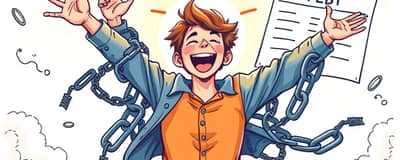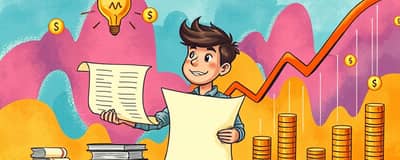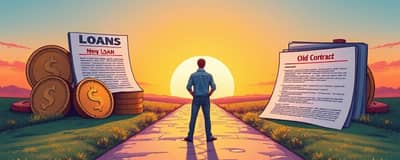

Behind every diploma lies a story of aspiration and challenge. For many students, the path to knowledge is paved with financial obstacles that can dim the brightest dreams. While federal and private student loans offer structured support, personal loans can unlock immediate financial relief when traditional aid falls short. This article explores how these loans can empower your educational journey while also highlighting critical considerations to ensure long-term success.
Why Consider Personal Loans for Education?
When you face unexpected expenses or program costs outside conventional tuition, personal loans emerge as a swift alternative. Unlike student loans, which often require detailed eligibility checks and rigid disbursement schedules, personal loans may offer funding within a matter of days to bridge short-term gaps.
Personal loans can be particularly beneficial when dealing with nontraditional programs—such as specialized workshops, certification courses, or online skill-building classes—that fall outside the scope of standard financial aid. However, it is essential to navigate these options thoughtfully, understanding both the promise and the pitfalls.
Pros of Personal Loans for Education
Personal loans come with unique advantages that can accelerate your learning opportunities and provide the flexibility you need:
- fast funding in urgent situations: Many lenders disburse funds within one week, offering relief for sudden expenses like relocation or emergency travel.
- predictable fixed interest rates: Unlike variable-rate credit cards, a personal loan allows for clear budgeting with consistent monthly payments.
- broader usage beyond tuition fees: Cover living costs, textbooks, or certification expenses that traditional student loans might not cover.
- alternative when student aid is exhausted: Use as a backup when you have reached the cap on federal or private student loans.
Cons of Personal Loans for Education
Despite their benefits, personal loans come with significant drawbacks that you must weigh carefully:
- payments begin immediately upon disbursement: Payments often begin as soon as the funds are disbursed, placing pressure on students still in school.
- higher interest rates than federal loans: Borrowers can face rates between 7% and 36%, compared to federal undergraduates at 6.53% (2025).
- no tax deductions or forgiveness options: You lose out on potential income-driven repayment plans and tax benefits.
- high credit score requirements: Most lenders require a credit score above 620 or a qualified cosigner, which can be a barrier for young borrowers.
Comparative Snapshot
This snapshot highlights why federal programs generally offer more favorable terms for standard tuition, while personal loans can fill specific gaps where other options end.
Maximizing Your Financial Health
To make the most of a personal loan, approach borrowing as a strategic step rather than a quick fix. By combining strong financial habits with careful planning, you can minimize debt stress and optimize repayment:
- craft a realistic budget: Account for all living expenses, loan payments, and emergency savings to avoid surprises.
- compare multiple lending options: Look beyond rates to examine origination fees, repayment terms, and customer service reputations.
- bring a qualified cosigner onboard: A qualified cosigner can unlock lower rates, reducing overall interest costs.
- automate monthly loan payments: Set up automatic debits to ensure you never miss a due date and avoid late fees.
Practical Tips and Strategies
Start by listing all available funding sources: federal grants, scholarships, work-study, private student loans, and potential personal loans. Rank your options based on cost, flexibility, and impact on long-term credit.
Next, approach lenders with a well-prepared application. Gather proof of income, academic records, and if needed, a cosigner’s credit documents. Demonstrating stability can help secure better loan terms. Finally, remain proactive: review your statements monthly, seek deferment only in extreme circumstances, and refinance when rates improve.
Conclusion: Making Informed Decisions
Personal loans for education can be a powerful tool when used responsibly. By understanding the full scope of benefits and risks, you can transform obstacles into opportunities. Remember, the best financial decisions are rooted in knowledge, planning, and the unwavering belief that every investment in your education is an investment in your future.
References
- https://studentaid.gov/understand-aid/types/loans/federal-vs-private
- https://www.lendingtree.com/personal/personal-loans-for-students/
- https://www.salliemae.com
- https://www.credible.com/personal-loan/personal-loans-for-students
- https://www.acornfinance.com/personal-loans/personal-loan-for-education/
- https://www.bankrate.com/loans/personal-loans/personal-loans-for-students/
- https://www.investopedia.com/terms/f/financial-literacy.asp
- https://www.experian.com/blogs/ask-experian/is-a-personal-loan-better-than-a-student-loan/