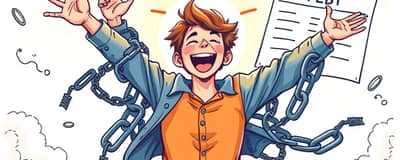

Facing an unexpected expense can feel like standing at the edge of a financial abyss, uncertain where to turn. Medical bills, urgent repairs, or sudden travel needs often leave individuals scrambling for fast cash. In such moments, understanding the variety of emergency loans available can transform panic into a clear path forward.
Understanding Emergency Personal Loans
Emergency personal loans are unsecured funds borrowed to cover pressing costs when savings fall short. Roughly 35 percent of adults lack enough savings to cover a $1,000 emergency, underscoring how common financial crunches can be. Unlike credit cards or payday loans, personal loans often offer fixed rates and structured payments, giving borrowers a predictable schedule for repayment.
Typically, these loans require an application process that includes credit checks and income verification. Approval can be swift—sometimes within minutes—and funds may arrive the same day. Many lenders set terms ranging from a few months to several years, allowing borrowers to choose repayment plans that align with their budgets.
Key Types of Emergency Loans
When urgent cash is needed, several options vie for attention. Each has unique features, costs, and risks:
- Personal Loans: Unsecured, fixed interest, monthly payments
- Payday Loans: Short-term, repaid by next paycheck, high APRs
- Title Loans: Vehicle as collateral, risk of repossession
- Credit Card Advances: Immediate funds, higher purchase rates
Personal loans stand out for balanced costs and structured repayment, while payday and title loans carry extremely high interest rates that can spiral into crushing debt. Credit card cash advances may be convenient but can hurt credit utilization ratios and incur fees.
Pros of Emergency Personal Loans
Many borrowers choose personal loans for emergencies because they offer quick access to financial relief without requiring collateral. Fixed interest rates—often lower than credit cards for borrowers with strong credit—provide certainty about total repayment costs. Monthly installments help with budgeting, and paying on time can strengthen credit profiles over the long term.
Longer repayment terms, from 12 to 60 months or more, allow borrowers to spread costs into manageable chunks. For individuals who qualify, origination fees may be modest, and some lenders provide prequalification checks that do not impact credit scores, giving clarity before commitment.
Cons of Emergency Personal Loans
Despite their advantages, personal loans are not without drawbacks. Interest rates can climb as high as 30 percent APR for those with less-than-stellar credit, and origination fees may reach up to 12 percent of the loan amount. Minimum loan sizes sometimes exceed the actual need, resulting in excess debt and unnecessary interest payments.
Applicants with low credit scores or irregular income may find it difficult to qualify. Taking on a personal loan adds a new monthly payment that can strain finances further, and borrowing may limit eligibility for larger loans, such as mortgages, if not managed carefully.
How to Choose the Right Option
Selecting the optimal emergency loan involves comparing costs, terms, and speed of funding. Key factors include interest rates, fees, collateral requirements, and lender reputation. A clear side-by-side view can help:
Before committing, weigh the speed of funding against total cost. Look for lenders offering pre-qualification to compare APRs without hard credit inquiries. Read customer reviews to gauge reliability, and ensure you understand all fees, from origination charges to potential prepayment penalties.
Alternatives to Emergency Borrowing
Loans should be a last resort when savings or other support are unavailable. Consider these lower-cost or no-cost options:
- Emergency savings funds covering 3–6 months of expenses
- Credit union loans often offering better rates
- Payment plans with medical providers or repair services
- Family or friend loans with clear, written terms
- 0% APR credit card promotions for qualifying purchases
- Home equity lines of credit for homeowners in need
- Nonprofit and government assistance programs
Best Practices for Emergency Borrowing
When borrowing is unavoidable, plan carefully to minimize impact on long-term financial health. Borrow only what you truly need, and create a repayment schedule that prioritizes on-time payments. Avoid lenders that trap borrowers with rollovers or hidden fees.
After resolving the crisis, focus on rebuilding an emergency fund to cover future surprises. Consistent saving habits, even if small, can reduce reliance on high-cost borrowing and foster steady financial resilience over time.
Conclusion
Emergencies can arrive without warning, but with knowledge and planning, you can navigate financial shocks effectively. By understanding the full spectrum of loan options, comparing costs, and exploring alternatives, you transform stress into action. Embrace the opportunity to build stronger safety nets, so the next time life catches you off guard, you’ll face challenges with confidence rather than fear.
References
- https://www.lendingtree.com/personal/emergency/
- https://www.bankrate.com/loans/personal-loans/what-is-an-emergency-loan/
- https://www.capitalone.com/learn-grow/money-management/emergency-loans/
- https://www.pnc.com/en/personal-banking/borrowing/personal-loans/unsecured-personal-loan/emergency-circumstance-loans.html
- https://www.citi.com/personal-loans/learning-center/major-expenses/emergency-personal-loans
- https://www.achieve.com/learn/personal-loans/pros-cons-personal-loans
- https://www.bankrate.com/loans/personal-loans/types-of-emergency-loans/
- https://www.onemainfinancial.com/personal-loans/emergency