
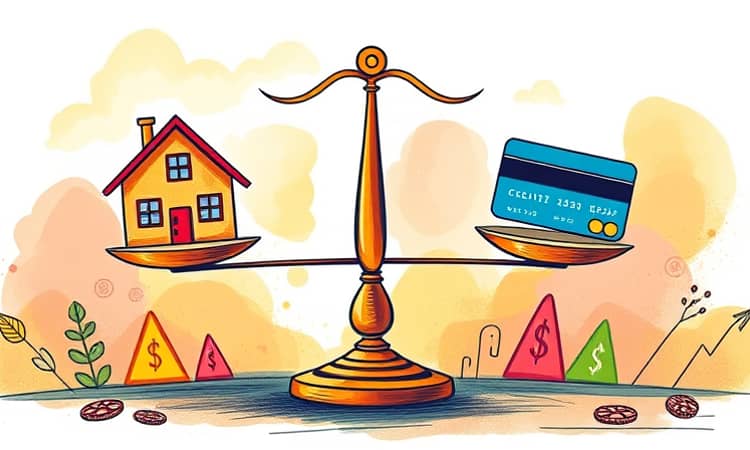
Deciding between a secured or unsecured personal loan can feel overwhelming, but the right choice can redefine your financial journey. Whether you’re seeking funds for a dream home renovation, an emergency medical expense, or debt consolidation, understanding these two loan structures helps protect your assets, improve your credit health, and secure favorable terms.
Understanding the Basics
A secured personal loan is backed by a tangible asset—such as real estate, a vehicle, or a savings account—used as collateral. Lenders grant lower rates because they can reclaim the asset if you default. In contrast, an unsecured personal loan requires no collateral, relying exclusively on your credit score, income verification, and payment history.
By pledging collateral, borrowers access lower interest rates due to collateral and often negotiate extended repayment schedules. However, failure to meet obligations can lead to potential asset seizure upon default. Unsecured loans protect your property but come with damaging your credit rating severely if you miss payments.
Key Differences at a Glance
Knowing how these factors stack up side by side helps you weigh benefits and responsibilities:
This comparison underscores the trade-offs: secured loans grant higher borrowing limits and longer terms but involve a more involved approval process, while unsecured loans deliver speed and simplicity at the cost of higher interest rates reflecting lender risk.
Typical Use Cases and Loan Types
Your loan choice often aligns with your funding goal. Below are common offerings and practical applications:
- Secured Loans: Home mortgages lock in your property’s equity to finance real estate; auto loans use the vehicle itself; home equity lines of credit let you tap into existing equity for renovation or education expenses.
- Unsecured Loans: Personal loans can cover weddings, travel, or small business start-ups; credit cards handle revolving balances; student loans support educational costs without upfront collateral.
Each instrument serves a unique purpose. For example, a homeowner may leverage equity with a HELOC to finance safer home improvements at reduced lender risk due to collateral, while a recent graduate might prefer an unsecured student loan to avoid jeopardizing personal property.
When Secured Loans Shine
If you have valuable assets and a long-term project, secured loans often provide the most attractive terms. Consider these real-world scenarios:
- Buying a first home: Locking in a 30-year mortgage to build home equity.
- Launching a small business: Pledging commercial property to secure capital at lower interest rates due to collateral.
- Consolidating high-interest debt: Rolling multiple balances into a single secured loan can trim your monthly bills.
- Funding major life events: Large expenses like tuition or wedding costs can be financed by tapping into existing asset value.
In these instances, you exchange acceptable risk for access to substantial funding at favorable rates. Professionals with stable incomes and long-term repayment plans often find secured loans more manageable and cost-effective.
When Unsecured Loans Are Preferable
Unsecured loans excel when you require quick funding without risking tangible assets. Ideal situations include:
- Emergency repairs: Fixing a broken furnace or urgent medical treatment with rapid application turnaround.
- Planned events: Financing weddings, vacations, or personal development without touching property.
- Building credit: Timely repayments on a small unsecured loan can boost your FICO score above 700.
- Debt consolidation: Combining multiple credit balances into one loan at a streamlined and fast approval experience and fixed rate.
Borrowers with strong credit histories often leverage unsecured loans for greater financial flexibility with no collateral risk, taking advantage of promotions or lender rewards programs.
Applying and Approval Process
Both loan types require personal identification, Social Security numbers, proof of income, and recent bank statements. However, secured loans include an asset appraisal, which can add complexity:
• Secured Loan Assessment: Lenders will appraise your collateral, request property deeds or vehicle titles, and verify insurance coverage. This thorough vetting can stretch approval times from days into weeks.
• Unsecured Loan Assessment: Lenders focus on your credit report, employment history, and debt-to-income ratio. Without collateral checks, many institutions deliver decisions within hours and disburse funds the next business day, offering a simpler approval process with no collateral.
Impact on Your Credit and Assets
On-time payments for both loan types contribute positively to your credit history, leading to lower insurance premiums and better future borrowing opportunities. Conversely, defaults have different repercussions:
• Secured Loan Default: Your lender may repossess or foreclose on the pledged asset, and your credit score takes a significant hit. Asset recovery processes can be stressful and expensive.
• Unsecured Loan Default: You won’t lose property, but your credit report will show late payments and potential collections, which can severely hamper future borrowing for years.
Regardless of collateral, missed payments remain on your credit file for up to seven years. Rebuilding requires consistent on-time payments and monitoring your credit report for errors.
Expert Tips for Choosing Wisely
Financial advisors suggest the following steps to ensure you select the optimal loan product:
1. Review your credit report regularly before applying to spot inaccuracies and improve your score. Service bureaus offer free annual checks.
2. Compare APRs, origination fees, and repayment terms across at least three lenders. A half-percent difference in rate could save thousands over a decade.
3. Use online calculators to estimate monthly payments and total interest costs. Factor in emergencies to avoid overextending your budget.
4. Avoid borrowing more than you need. Smaller loan amounts reduce interest charges and ease repayment pressure.
5. If collateral-backed options are available, consider borrowing against assets with surplus value rather than risking essential property.
Conclusion
When choosing between secured and unsecured personal loans, reflect on your credit history, asset portfolio, and urgency of funds. Secured financing offers access to substantial funding at favorable rates by leveraging collateral, while unsecured options provide financial flexibility without risking property, albeit at higher costs.
Evaluate your goals, weigh risks, and seek professional advice when in doubt. With informed decisions and careful planning, you can harness the power of personal loans to build a stronger financial future.
References
- https://www.bankrate.com/loans/personal-loans/secured-vs-unsecured-personal-loans/
- https://www.lendingtree.com/personal/unsecured-vs-secured-personal-loans/
- https://www.pnc.com/insights/personal-finance/borrow/secured-vs-unsecured-loans.html
- https://www.investopedia.com/secured-vs-unsecured-loans-7558592
- https://www.transunion.com/article/unsecured-vs-secured-loans
- https://www.nerdwallet.com/article/loans/personal-loans/average-personal-loan-rates
- https://www.sofi.com/learn/content/secured-vs-unsecured-personal-loans/
- https://www.key.com/personal/banking101/secure-vs-unsecured-loan.html