
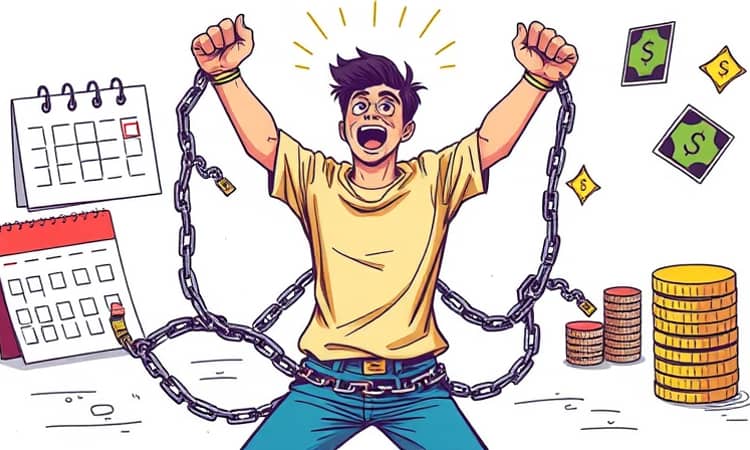
Every swipe of a credit card carries a story. For some, it’s the excitement of a new purchase; for others, it becomes an unseen burden that grows over time. When you don’t fully understand how interest rates truly work, you risk falling into a cycle of debt that can feel impossible to escape. This guide shines a light on credit card interest, offering you clear strategies to stay in control of your finances.
What is Credit Card Interest?
At its core, interest is the fee you pay for borrowing money through your credit card. It’s typically expressed as an annual percentage rate, or APR, which represents the cost of borrowing over a year. In the world of credit cards, APR and interest rate are often interchangeable terms.
Interest accrues on any balance you carry past the due date. Most credit cards calculate charges daily, then aggregate them into your monthly statement. This means each unpaid dollar accumulates small bits of interest that can compound with time, potentially driving your debt higher.
The Role of Your Billing Cycle
Your billing cycle defines the rhythm of your credit card statements. It ends on the cut-off date, which triggers the generation of your statement. Then begins your grace period—a window before the due date when interest is paused if you pay in full.
Under the Credit CARD Act of 2009, issuers must give you at least 21 days from statement issuance to the due date. Missing full payment suspends this hiatus, making every unpaid cent accrue interest immediately. Understanding these dates can be the difference between staying debt-free and watching balances grow.
Types of Credit Card Interest
Not all interest is created equal. Your card may charge different rates depending on the transaction type:
Factors That Influence Your Rate
- Your credit score and payment history
- The type of card you hold (rewards vs. basic)
- Overall economic conditions and benchmark rates
- Whether your APR is variable or fixed
- Introductory offers and promotional periods
Each of these elements shapes the rate you’re offered. Those with stellar credit profiles often enjoy lower ongoing interest rates, while others may face higher charges due to perceived risk.
The Power of the Grace Period
One of the most potent tools in credit management is the interest-free grace period. If you pay your statement balance in full each month, you bypass all purchase interest charges. This simple habit can keep your plastic expenses effectively interest-free.
To harness this benefit, set up calendar reminders, enable autopay for the full balance, or use budgeting apps to track your cycle. Consistency here protects your wallet and sharpens your financial discipline.
Strategies to Avoid Paying Interest
- Always pay the statement balance in full every month
- Take advantage of 0% introductory APR offers
- Make early payments before the due date
- Consolidate high-rate debt to lower-rate cards
- Monitor your spending to avoid surprise balances
Implementing these methods requires deliberate spending habits and a commitment to tracking every charge. By aligning purchases with your billing cycle, you maximize the time before payment is due, easing cash flow without accumulating interest.
Negotiating Lower Interest Rates
Believe it or not, many card issuers are open to negotiating APRs, especially if you’ve been a reliable customer. A lower rate can save hundreds or even thousands of dollars over the life of your balance.
- What’s the best APR you can offer based on my history?
- Can we match or beat my current offers elsewhere?
- Are there loyalty programs or retention deals available?
- What steps improve my eligibility for a lower rate?
Approach your issuer with confidence and clear evidence of on-time payments. Even a half-percentage reduction has a significant impact on long-term interest costs, so it’s worth the conversation.
Maximizing Your Financial Freedom
Understanding the mechanics of credit card interest rates is a powerful first step, but true financial freedom comes from consistent action. Track your cycles, pay bills early, negotiate when possible, and choose products that align with your goals.
As you cultivate these habits, you’ll find that credit cards can be tools of empowerment rather than sources of anxiety. By mastering interest and protecting your grace periods, you build a resilient foundation for long-term wealth and peace of mind.
Embrace this knowledge, take control of your spending, and look forward to a future where credit enhances your life—never weighing you down.
References
- https://www.investopedia.com/articles/01/061301.asp
- https://www.capitalone.com/learn-grow/money-management/calculate-credit-card-interest/
- https://www.consumerfinance.gov/ask-cfpb/what-is-a-credit-card-interest-rate-what-does-apr-mean-en-44/
- https://www.chase.com/personal/credit-cards/education/interest-apr/when-does-interest-start-to-accrue-on-credit-card
- https://www.rbcroyalbank.com/en-ca/my-money-matters/money-academy/credit-and-borrowing/understanding-credit-cards/how-does-credit-card-interest-rate-work/
- https://thepointsguy.com/credit-cards/how-to-avoid-credit-card-interest-with-grace-period/
- https://www.experian.com/blogs/ask-experian/can-i-negotiate-a-lower-interest-rate-on-my-credit-card/
- https://www.santanderbank.com/personal/resources/credit-card/how-credit-card-interest-works