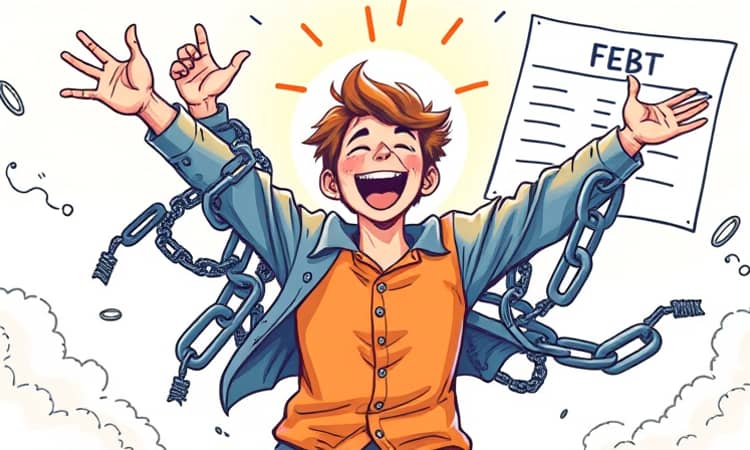
Paying off debt early can be a fantastic achievement—but if your loan includes an early repayment penalty, that triumph may come with a price. Understanding how prepayment fees work empowers you to make strategic decisions and optimize your financial freedom without stumbling over hidden costs.
What Are Early Repayment Penalties?
Early repayment penalties, also known as prepayment fees, are charges levied by lenders when borrowers pay off part or all of a loan before the agreed term ends. Because lenders earn interest over the full loan life, premature payoff reduces their revenue, and penalties compensate for lost profits.
Why Lenders Charge Prepayment Fees
Lenders incorporate prepayment penalties for several strategic reasons. Recognizing these motives helps you negotiate better terms or seek products without such fees.
- Protecting projected revenue streams against unexpected early payoffs
- Encouraging borrowers to stick to the agreed repayment schedule
- Mitigating reinvestment risk when market interest rates change
Common Types of Prepayment Penalties
Prepayment penalties on personal loans generally fall into three categories. Each structure affects your payoff cost differently.
How to Calculate Your Prepayment Penalty
Calculation methods vary by penalty type, but you can estimate your fee before deciding. For a percentage-based penalty, multiply the remaining principal by the penalty rate. For interest-based fees, determine the monthly interest and multiply by the specified months.
Example: On a $10,000 balance with a 3% penalty, you’d owe $300. If you face a three-month interest penalty at 6% annual APR, monthly interest = (10,000 × 6%) ÷ 12 = $50, so your fee is $150.
Pros and Cons of Early Loan Repayment
Paying early isn’t always a clear win. Weigh potential benefits against possible drawbacks.
- Pros:
- Reduce total interest paid over loan life
- Eliminate debt obligations sooner
- Improve debt-to-income ratio
- Cons:
- Prepayment penalty may offset savings
- Opportunity cost
Strategies to Avoid or Minimize Penalties
With proactive planning, you can sidestep or reduce prepayment fees and still enjoy the freedom of early repayment.
- Review loan disclosures for any hidden penalty clauses.
- Negotiate with lenders to remove or reduce fees.
- Shop specifically for “no prepayment penalty” personal loans.
- Time your payoff to coincide with penalty reduction periods.
Deciding Whether to Pay Off Your Loan Early
Before making a payoff move, perform a thorough cost-benefit analysis. Compare the penalty amount against the interest you’d save by eliminating the balance.
Consider alternative uses of your funds—investments, emergency savings, or higher-interest debt reduction. If your prepayment fee exceeds or nearly matches your interest savings, maintaining regular payments may be the smarter path.
Key Loan Components to Consider
Understanding every element of your loan agreement positions you for a sound decision:
- Principal: The original amount borrowed.
- Interest Rate (APR): The cost of borrowing expressed annually.
- Loan Term: The agreed repayment period.
- Payment Schedule: The frequency and amount of payments.
Building a Smart Repayment Plan
By combining careful research, proactive financial planning, and clear communication with your lender, you can avoid surprises and maximize your debt payoff strategy. Always read loan agreements line by line, ask for clarification on any ambiguous language, and keep an eye on how prepayment penalties change over time.
Conclusion
Early repayment penalties can feel like an unnecessary hurdle on your path to financial freedom. However, armed with knowledge of penalty types, calculation methods, and avoidance strategies, you can navigate these fees with confidence. Whether you decide to pay off a loan early or stick to your original schedule, the key is to make an informed choice that aligns with your broader financial goals. Embrace transparent and fair terms, practice due diligence, and harness informed decision-making to ensure that early repayment becomes a stepping stone—rather than a stumbling block—on your journey to financial empowerment.
References
- https://www.lendingtree.com/personal/personal-loan-prepayment-penalties/
- https://www.lendingclub.com/resource-center/personal-loan/the-pros-and-cons-of-paying-off-a-personal-loan-early
- https://www.experian.com/blogs/ask-experian/personal-loan-prepayment-penalties/
- https://www.creditkarma.com/personal-loans/i/what-is-prepayment-penalty
- https://www.onemainfinancial.com/resources/loan-basics/should-you-pay-off-a-personal-loan-early
- https://hardmoneyfirst.com/blog/prepayment-penalty/
- https://www.investopedia.com/terms/l/loan.asp
- https://www.consumerfinance.gov/ask-cfpb/what-is-a-prepayment-penalty-en-1957/