
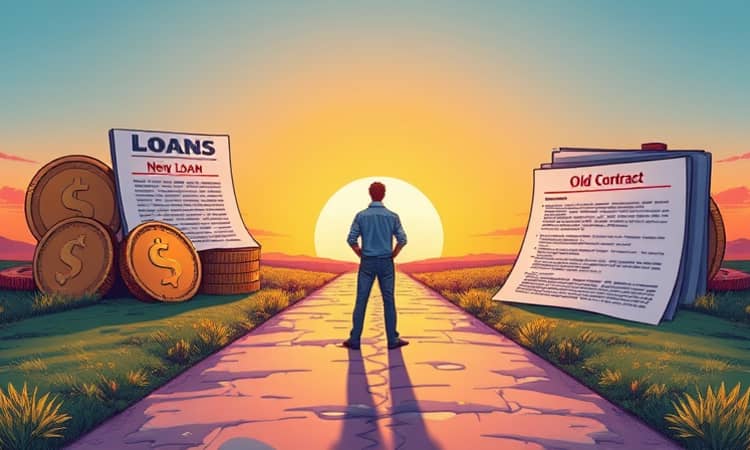
Have you ever felt weighed down by monthly payments and wondered if there’s a way to lighten the load? Personal loans can be invaluable tools for financing major expenses, but the terms you accepted at the outset may not always serve you best as life changes. Exploring the option to refinance can help you tailor your debt to match your current goals and challenges.
Refinancing a personal loan involves replacing your existing debt with a new loan, ideally under more favorable conditions. The act of refinancing isn’t just financial housekeeping—it can be a transformative step toward unlock financial flexibility and peace of mind and setting yourself on the path to greater stability.
Key Benefits of Refinancing
When executed thoughtfully, refinancing a personal loan offers several compelling advantages. Understanding these core benefits can help you decide whether the time is right to explore new lending options.
- Lower interest rate
- Reduced monthly payments
- Shorter repayment term
- Fixed interest rate for stability
- Access to additional funds
Each of these benefits carries the potential to significantly reduce the overall cost of your borrowing or enhance your monthly cash flow, depending on your priorities.
Lower Interest Rate: If market rates have declined or your credit profile has strengthened, you might qualify for a rate several percentage points lower than your original loan. Even a modest decrease can translate into hundreds or thousands of dollars saved over the life of the loan.
Reduced Monthly Payments: By opting for a longer repayment schedule or capitalizing on lower rates, your monthly obligation can shrink to a more manageable figure. This can offer immediate relief when budget constraints threaten to derail your financial plan.
Shorter Repayment Term: Alternatively, if your goal is to eliminate debt swiftly, you can refinance into a shorter term. Although your monthly payment may increase slightly, you’ll free yourself from debt sooner and pay less interest overall.
Fixed Interest Rate: Those with variable rate loans can find peace in knowing their rate and payment will remain consistent. This strategy can protect against unpredictable rate increases that might otherwise inflate your cost of borrowing.
Access to Additional Funds: Refinancing may also allow you to borrow a slightly larger amount. Whether unexpected car repairs or medical bills emerge, extra credit can serve as a much-needed financial cushion.
Potential Drawbacks to Consider
While the allure of improved terms is strong, refinancing is not without its downsides. A careful cost-benefit analysis is essential before moving forward.
- Origination fees and closing costs
- Prepayment penalties on the original loan
- Temporary credit score dip from hard inquiries
- Longer repayment terms may increase total interest paid
- Stricter qualification requirements
Origination fees typically range from 1% to 6% of the loan amount. Combining these with any prepayment penalties can erode the savings you hope to gain. Additionally, applying for a new loan triggers a hard credit inquiry, which can cause a brief decrease in your credit score. Remaining current on payments, however, can help you improve your credit health over time.
Extending the loan duration might reduce your monthly outlay but often leads to spending more on interest over the life of the loan. Finally, lenders will assess your credit history, income stability, and existing debts. You may not qualify for better terms if your financial profile hasn’t strengthened.
When Refinancing Makes the Most Sense
Timing is a crucial element in determining whether refinancing is a smart move. Consider exploring this option under the following circumstances:
Improved Credit Score: Dramatic improvements in your credit rating since you took out the original loan can unlock far more favorable rates. If you’ve paid down revolving debts and consistently met payment deadlines, now might be the moment to refinance.
Lower Market Rates: Economic shifts can cause interest rates to fall. If general market conditions are more favorable than when you secured your initial loan, refinancing could net you substantial savings.
Financial Hardship: Should you face a sudden loss of income or unexpected expenses that strain your ability to make current payments, extending your term or reducing payments can be a lifeline.
Desire to Pay Off Debt Faster: If your income has increased or your budget can absorb higher installments, transitioning to a shorter term loan is a powerful way to eliminate debt and save on interest.
Need for Predictable Payments: Moving from a variable to a fixed rate can safeguard your budget against rate volatility, ensuring each monthly payment is consistent.
Steps to Refinance a Personal Loan
Once you’ve decided refinancing may be beneficial, follow a structured path to ensure you make the best possible choice:
- Calculate Total Loan Needs
- Check Your Credit and Employment Status
- Compare Multiple Lenders and Offers
- Evaluate Total Savings
- Confirm Affordability
You’ll want to calculate potential savings including fees to make sure the numbers align in your favor. Obtain rate quotes, itemize origination costs, and factor in any penalties. Use online calculators or spreadsheets to compare scenarios side by side.
Review your credit report for inaccuracies and ensure all documentation, including proof of income and employment verification, is in order. Submit applications to several lenders to secure preapproval offers without harming your credit excessively; many lenders allow rate shopping within a short window without multiple penalties.
Crafting a Plan for Success
Refinancing should be part of a broader financial strategy, not a quick fix. Before you commit, map out your goals. Are you aiming to pay off debt faster? Do you need breathing room in your monthly budget? Or perhaps you simply want the comfort of a fixed rate?
Creating a detailed budget is a powerful way to glimpse how the new payment structure will fit into your life. Categorize all expenses, from rent to groceries to discretionary spending, and project your income and savings goals. Refinancing should serve as a tool that empowers you to reach these targets and not as an end in itself.
Communicate with trusted financial advisors or use reputable online resources to ensure the path you choose is sustainable. Every borrower’s journey is unique, and what works for one may not suit another.
Conclusion: Seizing Control of Your Financial Future
Personal loan refinancing is not a one-size-fits-all solution, but it holds the promise of significant financial transformation when executed thoughtfully. Whether you seek lower rates, more manageable payments, or a faster debt payoff, refinancing can be the catalyst to unlock enduring financial stability and peace.
Approach the process with diligence, armed with accurate data and a clear vision of your goals. The steps you take today can reshape your financial landscape for years to come. By carefully weighing advantages against potential costs and timing your move to coincide with market conditions and personal milestones, you set the stage for a healthier financial future.
Refinancing may seem complex, but with patience and preparation, you can turn it into a stepping stone toward stronger credit, reduced stress, and the freedom to pursue life’s next big adventure.
References
- https://www.lendingtree.com/personal/how-to-refinance-a-personal-loan/
- https://www.nerdwallet.com/article/loans/personal-loans/how-to-refinance-a-personal-loan
- https://oportun.com/financial-education/benefits-and-drawbacks-of-refinancing-a-personal-loan/
- https://www.creditkarma.com/personal-loans/i/refinance-personal-loan
- https://www.lendingclub.com/resource-center/personal-loan/when-and-how-to-refinance-a-personal-loan
- https://www.bankrate.com/loans/personal-loans/refinance-personal-loan/
- https://www.lendingtree.com/auto/refinance/how-soon-can-you-refinance-a-car-loan/
- https://www.onemainfinancial.com/resources/loan-basics/how-to-refinance-a-personal-loan